Personal safety has become a growing concern for people from all walks of life. Whether you’re walking to your car at night, traveling alone, hiking in remote areas, or simply looking for peace of mind, having a reliable self-defense tool can make a significant difference. Among the most popular self-defense options available today are the pocket knife and the taser gun.
While both tools are designed to help protect individuals in threatening situations, they differ greatly in functionality, effectiveness, ease of use, and legal considerations. Understanding these differences can help you determine which option best suits your lifestyle and personal security needs.
In this guide, we’ll compare pocket knives and taser guns, examine their advantages and disadvantages, and discuss how to choose the right self-defense tool for your specific circumstances.
Understanding the Role of Self-Defense Tools
Self-defense tools are designed to help individuals protect themselves when confronted with danger. While awareness, avoidance, and situational preparedness remain the most effective safety measures, carrying a defensive tool can provide an added layer of security.
Two commonly chosen options include a pocket knife and a taser gun. Each offers unique benefits and limitations that should be carefully considered before making a purchase.
What Is a Pocket Knife?
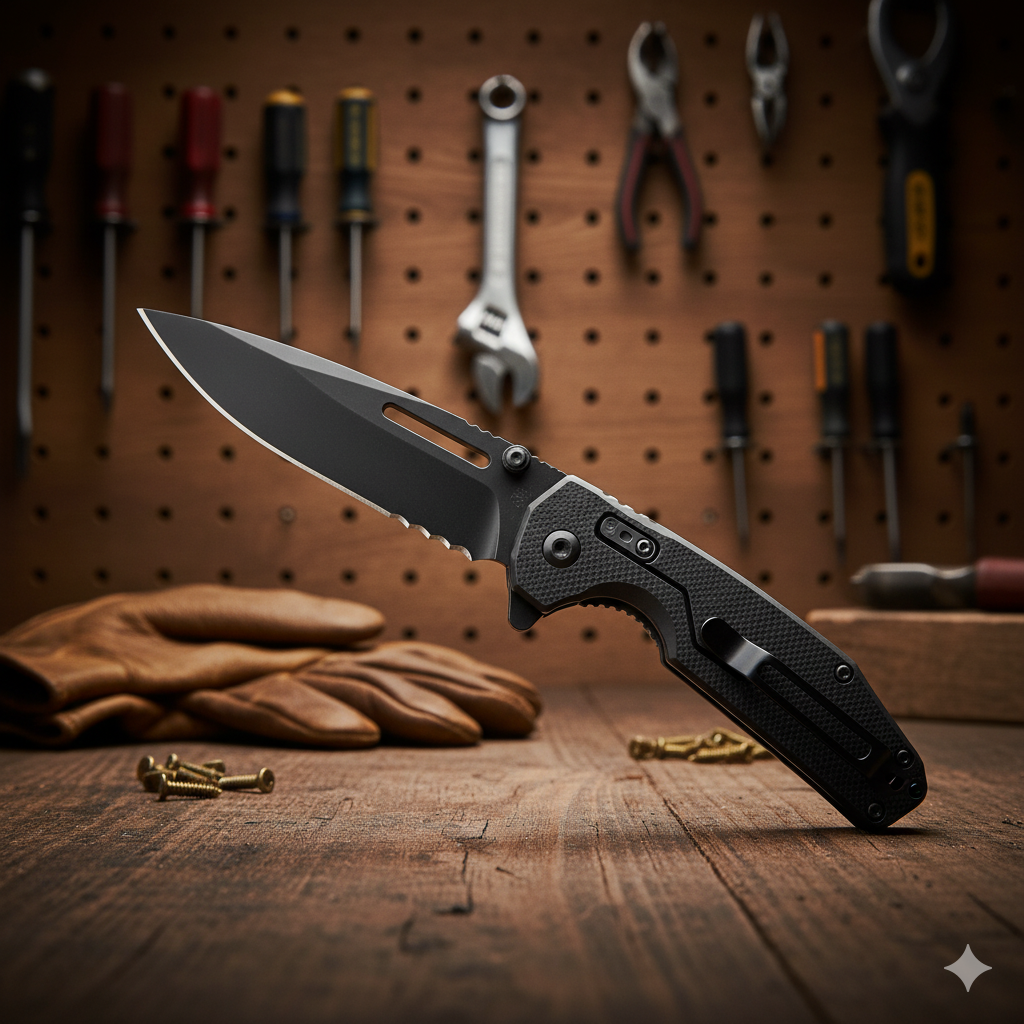
A pocket knife is a compact folding blade designed to fit conveniently into a pocket, bag, or everyday carry kit. Originally developed as a practical cutting tool, modern pocket knives are widely used for outdoor activities, utility tasks, and personal protection.
Many people choose a pocket knife because it serves multiple purposes beyond self-defense.
Common Uses of a Pocket Knife
- Opening packages
- Cutting rope or cord
- Camping and hiking tasks
- Emergency situations
- Everyday utility work
- Self-defense when necessary
Its versatility makes it one of the most popular tools for everyday carry enthusiasts.
What Is a Taser Gun?
A taser gun is an electronic self-defense device that delivers an electrical charge designed to temporarily incapacitate an attacker. Unlike a knife, its primary purpose is personal protection rather than utility.
A quality taser gun provides a non-lethal means of defense, making it attractive to users who prefer an alternative to bladed tools.
Common Uses of a Taser Gun
- Personal protection
- Home security
- Nighttime commuting safety
- Protection while traveling
- Emergency defense situations
Many users appreciate the ability of a taser gun to help create an opportunity to escape without engaging in prolonged physical confrontation.
Pocket Knife vs Taser Gun: Key Differences
1. Purpose and Functionality
The biggest difference between these two tools lies in their intended use.
A pocket knife is primarily a utility tool that can also serve defensive purposes if needed. It is useful every day and can assist with a wide variety of tasks.
A taser gun, however, is specifically designed for personal defense. It offers little utility outside of emergency situations.
If you’re looking for a multi-purpose tool, the pocket knife has a clear advantage. If your main concern is self-protection, a taser gun may be the better option.
2. Ease of Carry
Pocket Knife
Pocket knives are generally:
- Lightweight
- Compact
- Easy to conceal
- Comfortable for daily carry
Many modern folding knives include pocket clips and slim designs that make them virtually unnoticeable during everyday activities.
Taser Gun
Taser guns tend to be:
- Slightly larger
- Heavier than most folding knives
- More specialized in design
Although still portable, some users may find them less convenient to carry throughout the day.
3. Range and Distance
One of the most important considerations in self-defense is distance.
Pocket Knife
A knife requires close-range engagement. The user must be within arm’s reach of the threat to use it effectively.
This proximity can increase personal risk during a confrontation.
Taser Gun
A taser gun offers a distance advantage. Depending on the model, users may be able to engage a threat without getting as close as they would with a knife.
This can provide valuable reaction time and potentially reduce the likelihood of physical injury.
4. Learning Curve
Pocket Knife Training
Effective defensive knife use requires:
- Proper handling
- Situational awareness
- Defensive techniques
- Retention skills
- Practice under realistic conditions
Without training, a knife may be difficult to deploy and use effectively during a stressful encounter.
Taser Gun Training
A taser gun generally requires:
- Familiarity with controls
- Understanding battery maintenance
- Basic operational knowledge
Most users find electronic self-defense devices easier to learn compared to defensive knife techniques.
5. Reliability
Reliability is a critical factor when selecting any self-defense tool.
Pocket Knife Reliability
A quality pocket knife offers:
- Mechanical simplicity
- No batteries required
- Functionality in various weather conditions
- Minimal maintenance requirements
As long as the blade is clean and sharp, it remains ready for use.
Taser Gun Reliability
A taser gun depends on:
- Battery power
- Electrical components
- Proper maintenance
Users must regularly check battery levels and ensure the device is functioning correctly.
Advantages of Carrying a Pocket Knife
Multi-Purpose Utility
The versatility of a pocket knife makes it useful throughout the day, not just in emergencies.
Durability
Quality folding knives are designed to withstand years of regular use.
Cost-Effective
Pocket knives often provide excellent value because they serve both practical and defensive purposes.
No Charging Required
Unlike electronic devices, knives don’t require batteries or charging systems.
Advantages of Carrying a Taser Gun
Non-Lethal Defense
Many people prefer a taser gun because it provides a less-lethal defensive option.
Psychological Deterrence
The visible electrical arc and sound can sometimes discourage aggressive behavior before physical contact occurs.
Distance Advantage
Maintaining space between yourself and an attacker can be beneficial during dangerous encounters.
Ease of Use
For many individuals, operating a taser gun requires less specialized training than defensive knife techniques.
Situations Where a Pocket Knife Excels
A pocket knife may be the better choice if you:
- Spend time outdoors
- Frequently camp or hike
- Need a practical everyday tool
- Value reliability
- Want a compact carry option
Outdoor enthusiasts often view a pocket knife as an essential piece of gear due to its versatility.
Situations Where a Taser Gun Excels
A taser gun may be the better choice if you:
- Primarily want personal protection
- Prefer a non-lethal option
- Travel frequently
- Walk alone at night
- Want a defensive tool with a distance advantage
For users focused solely on self-defense, a taser gun can provide peace of mind and confidence.
Legal Considerations
Before carrying any self-defense tool, it’s important to understand local laws and regulations.
Laws may differ regarding:
- Blade length restrictions
- Concealed carry regulations
- Public carry rules
- Electronic defense devices
- Transportation requirements
Always research and comply with local regulations before purchasing or carrying a self-defense tool.
Maintaining Your Self-Defense Tool
Pocket Knife Maintenance
To keep your knife in optimal condition:
- Clean the blade regularly
- Lubricate moving parts
- Sharpen when necessary
- Store properly
Taser Gun Maintenance
To maintain a taser gun:
- Check battery levels
- Test functionality according to manufacturer recommendations
- Inspect electrical components
- Store in a secure location
Regular maintenance ensures reliability when it matters most.
Can You Carry Both?
Some individuals choose to carry both a pocket knife and a taser gun.
This approach offers:
- Everyday utility
- Multiple defensive options
- Greater versatility
- Increased preparedness
A knife can handle daily tasks, while a taser gun remains available specifically for personal protection situations.
However, users should always understand local regulations and receive proper training for any tool they carry.
Choosing the Right Option for Your Lifestyle
When deciding between a pocket knife and a taser gun, consider the following questions:
What Is Your Primary Goal?
If utility is important, choose a pocket knife.
If personal defense is your main concern, a taser gun may be more suitable.
How Comfortable Are You With Training?
Defensive knife use often requires more specialized instruction.
Many people find taser guns easier to learn and operate.
Do You Need Everyday Functionality?
A pocket knife offers significant value outside of self-defense situations.
Do You Prefer a Non-Lethal Option?
Many users select taser guns because they provide a defensive option without relying on a blade.
Conclusion
The debate between a pocket knife and a taser gun ultimately comes down to personal preference, lifestyle, and intended use. A pocket knife offers unmatched versatility, durability, and everyday usefulness, making it an excellent tool for outdoor enthusiasts and everyday carry users. A taser gun focuses specifically on self-defense and provides a non-lethal option that many people find appealing.
Neither tool is universally better than the other. The best choice is the one that aligns with your comfort level, training, legal requirements, and personal security needs. Regardless of which option you choose, proper training, situational awareness, and responsible ownership are essential components of personal safety.
Frequently Asked Questions (FAQ)
1. Is a pocket knife good for self-defense?
A pocket knife can be used for self-defense, but it requires close-range engagement and proper training to be effective and safe.
2. What are the advantages of a taser gun?
A taser gun offers a non-lethal form of protection, ease of use, and the potential advantage of creating distance between you and a threat.
3. Which is easier to carry daily?
Most pocket knives are smaller and more compact, making them convenient for everyday carry.
4. Can a pocket knife be used for everyday tasks?
Yes. Pocket knives are highly versatile and can be used for cutting, camping, repairs, outdoor activities, and emergency situations.
5. Does a taser gun require maintenance?
Yes. Users should regularly check batteries, inspect components, and test functionality according to manufacturer guidelines.
6. Should I carry both a pocket knife and a taser gun?
Some people choose to carry both because a pocket knife provides everyday utility while a taser gun offers a dedicated self-defense option. The decision depends on your personal preferences, local laws, and comfort level.